
TikTok Shop marketing: How to create content that increases orders
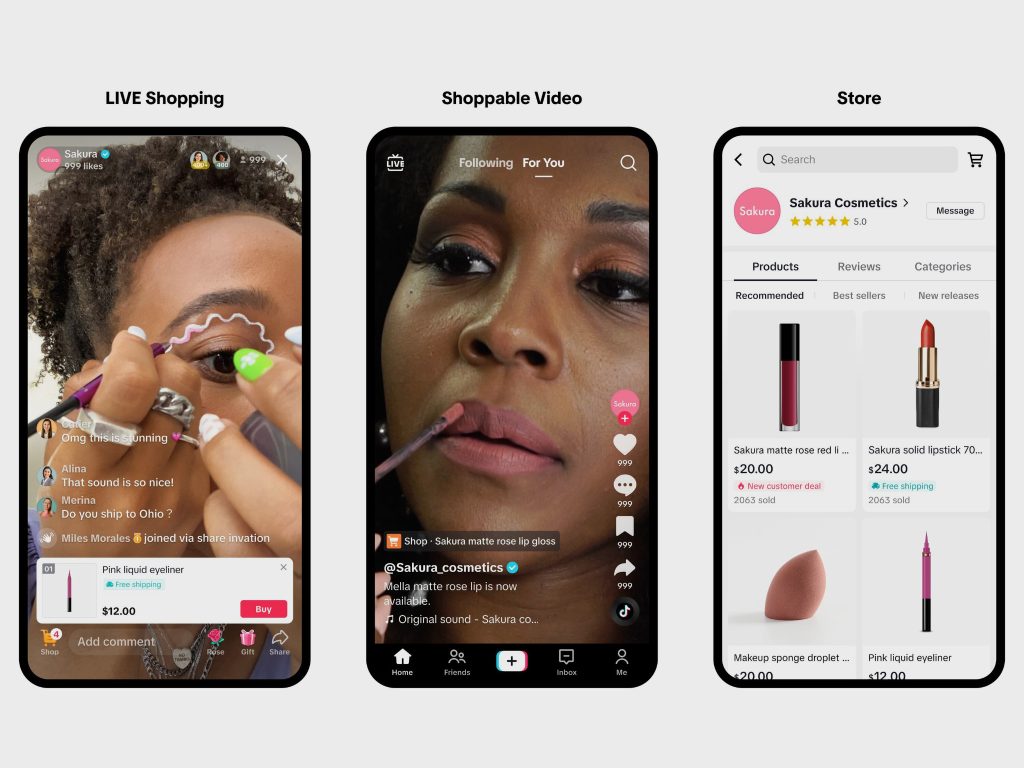
TikTok Shop allows users to discover and purchase products directly on the platform. However, simply opening a store, listing products, and attaching product links to videos is not enough to generate consistent revenue. Unlike traditional e-commerce marketplaces, TikTok Shop relies heavily on content-driven discovery. Viewers may not initially intend to buy, but a video that addresses the right need, a convincing demonstration, or a useful LIVE session can capture their interest and encourage them to take action.
Therefore, TikTok Shop marketing needs to connect content, product pages, creators, livestreams, advertising, and operations. The objective is not only to increase views but also to help customers understand the product, trust the seller, and complete their purchases.
What is TikTok Shop marketing?
TikTok Shop marketing is the process of using short-form videos, livestreams, creators, Affiliate Marketing, promotions, and advertising to improve product discoverability, drive conversions, and increase revenue on TikTok Shop.
On TikTok Shop, content supports the entire purchasing journey: helping viewers recognize a need, discover a suitable product, understand how to use it, evaluate supporting evidence, address concerns, and complete an order.
Therefore, a video with fewer views but more product clicks and orders may be more valuable than a viral video that attracts the wrong audience.

Four essential content categories
Demand-generation content
This category begins with a customer problem or situation, such as:
- Why does a small desk always feel cluttered?
- Three signs that you are choosing the wrong type of phone case.
- People who work at a computer for long periods often overlook this detail.
The video does not need to sell directly. Its primary purpose is to attract the right audience and help viewers recognize a problem that affects them.
Product explanation content
This category helps viewers understand what the product is used for, who it is suitable for, how it should be used, what makes it different, and when it may not be appropriate.
If the content only states the product name or lists its features, viewers may not understand its practical value.
Trust-building content
Customers need evidence before buying, especially when the product is new or the brand is unfamiliar. Evidence may include demonstrations, before-and-after results, customer reviews, quality-control processes, or transparent comparisons.
Conversion-focused content
This category guides viewers toward actions such as clicking the product, selecting a size, using a voucher, purchasing a bundle, joining a LIVE session, or placing an order.
Conversion-focused content should be clear, but it should not merely state the price and ask viewers to buy. Customers still need to understand why the product is suitable for them.
Selecting products and identifying purchase motivations
Not every product requires the same level of content investment. Sellers should prioritize products that:
- Have clear demand and are easy to demonstrate.
- Solve an easily recognizable problem.
- Have differentiating features that can be communicated through video.
- Have suitable pricing, profit margins, and inventory levels.
- Have an optimized product page.
- Have sufficient reviews and policies to build trust.
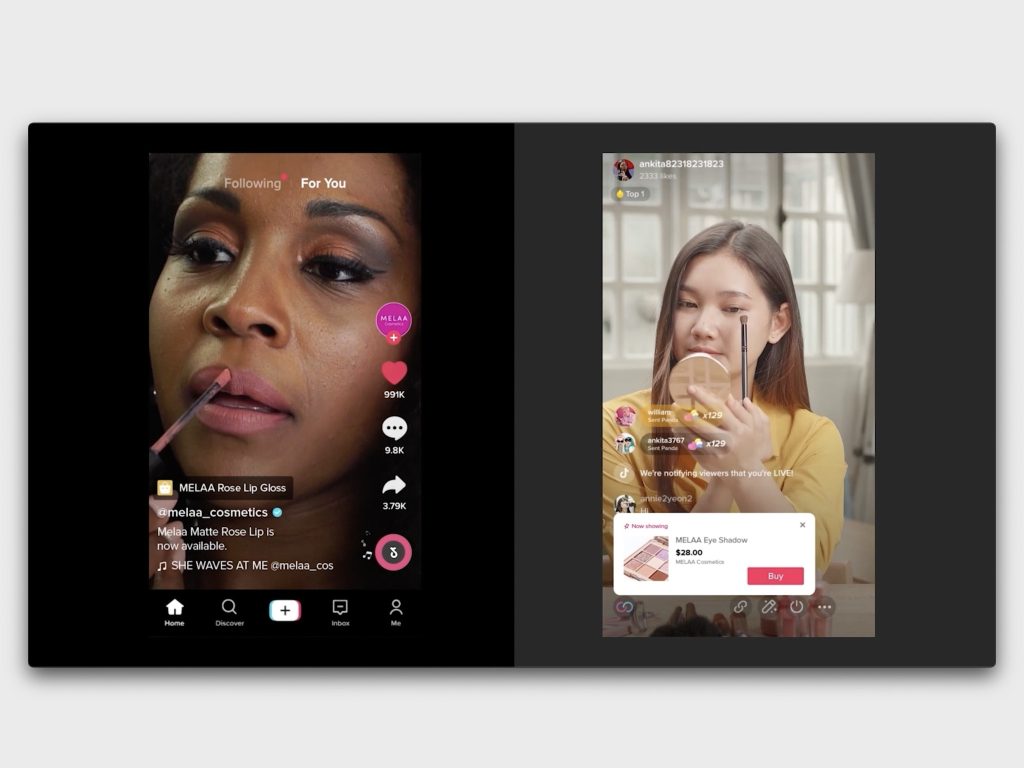
A product portfolio can be divided into traffic-generating products, profit-generating products, and complementary products. Content should connect these three groups instead of promoting only one item in isolation.
Before writing a video script, determine why customers need the product. Do not merely say that it has a “beautiful design” or is “easy to use.” Translate each feature into its meaning within a real situation.
For example, “foldable” means the product is suitable for small rooms or people who travel frequently. “Water-resistant” means it performs better outdoors. “Multiple adjustment levels” means it can accommodate different positions.
Each purchase motivation, such as saving time, reducing inconvenience, improving efficiency, or replacing an old product, can become a separate group of videos.
Building a content matrix
Instead of searching for random ideas every day, sellers should create a matrix based on customer problems, purchasing stages, and video formats.
For example, for an insulated bottle:
| Stage | Topic |
| Demand generation | Why does your drink lose its temperature so quickly when you take it to work? |
| Explanation | How does a double-wall bottle work? |
| Comparison | Who should choose a flip-top lid, and who should choose a screw-top lid? |
| Trust building | Testing the temperature after several hours |
| Objection handling | Is the bottle difficult to clean? |
| Conversion | A bundle containing the bottle and cleaning tools |
A content matrix allows one product to generate multiple pieces of content without repeatedly producing feature-introduction videos.
Video formats that can drive conversions
Problem-solving videos
The structure includes presenting the situation, explaining the cause, introducing the product as the solution, demonstrating it, and providing a CTA.
For example:
If your cables constantly fall underneath the desk, you do not need to replace the entire desk. This clip attaches to the edge and holds several cable ends in place.
The important point is to begin with the viewer’s problem rather than the product name.
Demonstration and usage-scenario videos
Demonstrations are suitable for products with a clear operating mechanism, durability that needs to be verified, or results that are easy to observe. Videos can test water resistance, suction strength, installation methods, dimensions, or before-and-after performance.
Clearly explain the testing conditions and avoid exaggeration. Scenario-based videos should also be specific to office workers, people living in small spaces, beginners, or frequent travelers.
Comparison videos
Comparisons help customers make decisions more quickly. Sellers can compare two models, two sizes, two materials, or a standard and upgraded version.
The video should use clear criteria such as price, dimensions, functionality, durability, and suitable users. The conclusion should remain neutral:
Choose model A if you prioritize a lightweight and compact design. Model B is more suitable if you need greater stability and long-term use.
Objection-handling videos
Customers may hesitate to buy because they are concerned about the price, choosing the wrong size, complicated usage, or unclear policies.
Each objection can become a separate video. The response should explain the construction, process, durability, or specific usage conditions rather than merely claiming that the product offers “better quality.”
Review, UGC, and behind-the-scenes videos
Effective reviews need context. A statement such as “this product is very good” is less persuasive than:
I use this model in my small kitchen because the handle folds down and does not take up much space.
UGC may include unboxing videos, first-use experiences, or updates after a period of use. Sellers need permission before reposting this content or using creator videos in advertisements.
Behind-the-scenes content can show packaging methods, product inspections, and how defective items are handled. This is an effective content format for building trust.
Promotion and bundle videos
Promotional videos should clearly state the eligible product, price, voucher conditions, duration, and reason for purchasing the bundle.
Sellers should not repeatedly create false urgency with messages such as “today only” or “almost sold out” when those claims are not accurate.
A formula for writing TikTok Shop videos
A short video can include five sections:
- Hook: Identify the problem or target viewer.
- Context: Explain the situation.
- Solution: Introduce the product naturally.
- Evidence: Provide a demonstration, comparison, or result.
- CTA: Direct viewers toward one action.
For example:
If you often film videos by yourself, this device solves a task that can take a considerable amount of time. Standard tripods take up space and make it difficult to change angles. This model folds compactly, rotates, and allows quick height adjustments. Here is the angle when sitting and when filming a full-body shot. Click the product to check its dimensions.
The CTA should relate to the information that has just been presented rather than appearing as a separate advertising statement.
Optimizing videos and product pages
Before publishing a product-linked video, check:
- The correct product and variation are linked.
- The price and inventory information are accurate.
- The video accurately represents the product’s intended use.
- The first image is sufficiently clear.
- The caption accurately describes the content.
- The video does not make false or misleading claims.
Do not attach numerous unrelated products simply to increase the chance of receiving clicks. This weakens the focus of the CTA.
Even a strong video can lose orders if the product page is poor. The product detail page should be consistent with the video in terms of the name, colors, dimensions, features, price, and policies.
The main image should be clear, variations should not cause confusion, the description should provide sufficient information, and return instructions should be easy to find. The content and product page must address the same customer need.

Creating content for LIVE sessions
LIVE is suitable for products that require demonstrations, consultations, comparisons, or answers to multiple questions before purchase.
Before going LIVE, select the primary products, establish the presentation order, prepare demonstrations, and check the inventory, vouchers, lighting, and audio.
During the LIVE session, sellers can repeat a cycle of attracting new viewers, presenting a problem, introducing the product, demonstrating it, handling objections, mentioning promotions, and explaining how to place an order.
After the LIVE session, turn demonstration segments into short videos, convert questions into new content, and analyze orders, cancellations, and returns. LIVE is not only a sales channel but also a valuable source of customer insights.
Collaborating with creators and affiliates
Creators help sellers expand their content and reach new communities. They should not be selected solely based on follower counts. Sellers need to evaluate the channel topic, audience, comment quality, demonstration ability, and product relevance.
Sellers can expand their content network through TikTok Affiliate Marketing, allowing suitable creators to promote products for a commission.
A creator brief should clearly explain who the product is for, the problem it solves, its key selling points, claims that must not be made, the CTA, commercial disclosure requirements, and video reuse rights.
Creators should not be forced to read a rigid script. Content is usually more natural when they use their familiar language and formats.
Sellers should also build a network of multiple creators to test different angles, create more video assets, and reduce dependence on a single partner.
Combining organic content with GMV Max
Product GMV Max can use eligible content assets to optimize sales, while LIVE GMV Max focuses on directing traffic to livestreams.
Therefore, sellers need to continuously add organic videos, demonstrations, problem-solving content, UGC, and authorized Affiliate videos.
Once a product and creative format show positive organic signals, TikTok advertising can help expand distribution and test sales performance.
Advertising automation does not replace content production. The system can only distribute the assets provided by the seller.
Metrics and diagnostic methods
| Stage | Metrics |
| Attraction | Views, new viewers, watch time |
| Interest | Product clicks, product page visits |
| Consideration | Additions to cart, purchase-related comments |
| Conversion | Orders, conversion rate |
| Order value | AOV, number of products per order |
| Operations | Cancellation rate, return rate, late deliveries |
If a video receives few views, review the topic, hook, and first image. If it receives many views but few product clicks, the content may be attracting the wrong audience, or the product may not be directly relevant.
If the video receives clicks but few additions to cart, the problem may involve the price, images, description, variations, or reviews. If users add the product to their carts but do not purchase it, the issue may involve the total cost, vouchers, trust, or delivery time.
If the store receives many orders but has a high return rate, review whether the video exaggerates the product or inaccurately represents its size or color. Marketing cannot be separated from operations.
A 30-day content plan
Week 1: Build the foundation
Select three priority products, complete their product pages, list customer problems, and prepare a library of content ideas.
Week 2: Test formats
For each product, test problem-based videos, demonstrations, comparisons, FAQs, and sales videos. Monitor views, watch time, clicks, and orders.
Week 3: Develop positive signals
Recreate effective hooks, build content series, produce more UGC, contact creators, prepare LIVE sessions, and optimize product pages based on real customer questions.
Week 4: Scale
Select videos with conversion potential, use suitable assets in advertising, run scripted LIVE sessions, and compare product performance using the same format.
The objective of the first month is to identify a repeatable combination of products, messages, and formats.
Effective TikTok Shop marketing does not depend on publishing as many videos as possible or constantly reducing prices. The foundation of growth is selecting the right products, understanding purchase motivations, and creating content suited to each stage of the customer journey.
When videos, product pages, creators, LIVE sessions, advertising, and operations are closely connected, TikTok Shop can generate more consistent revenue and reduce dependence on a single viral video or short-term campaign.
Read next: Want to avoid relying only on discounts and product-promotion videos? Learn how to build a balanced TikTok content system that attracts viewers, builds trust, and supports conversions.