
Effective TikTok Content Types That Help Brands Attract Customers
Effective TikTok content does not necessarily need to generate millions of views. For businesses, a video is only truly valuable when it reaches the right audience, communicates the right message, and guides viewers toward actions such as following the channel, sending a message, viewing a product, or placing an order.
If a channel focuses only on entertainment or constantly promotes products, it will struggle to attract new viewers while also creating purchase intent. A more sustainable approach is to combine content that attracts attention, builds trust, and drives conversions.
What Is Effective TikTok Content?
Effective TikTok content should align with customer needs, short-form video viewing behavior, and the brand’s objectives.
Each video should have one primary purpose, such as increasing awareness, explaining a product, demonstrating expertise, or driving orders. Its basic structure usually consists of a hook, the main content, and a CTA.
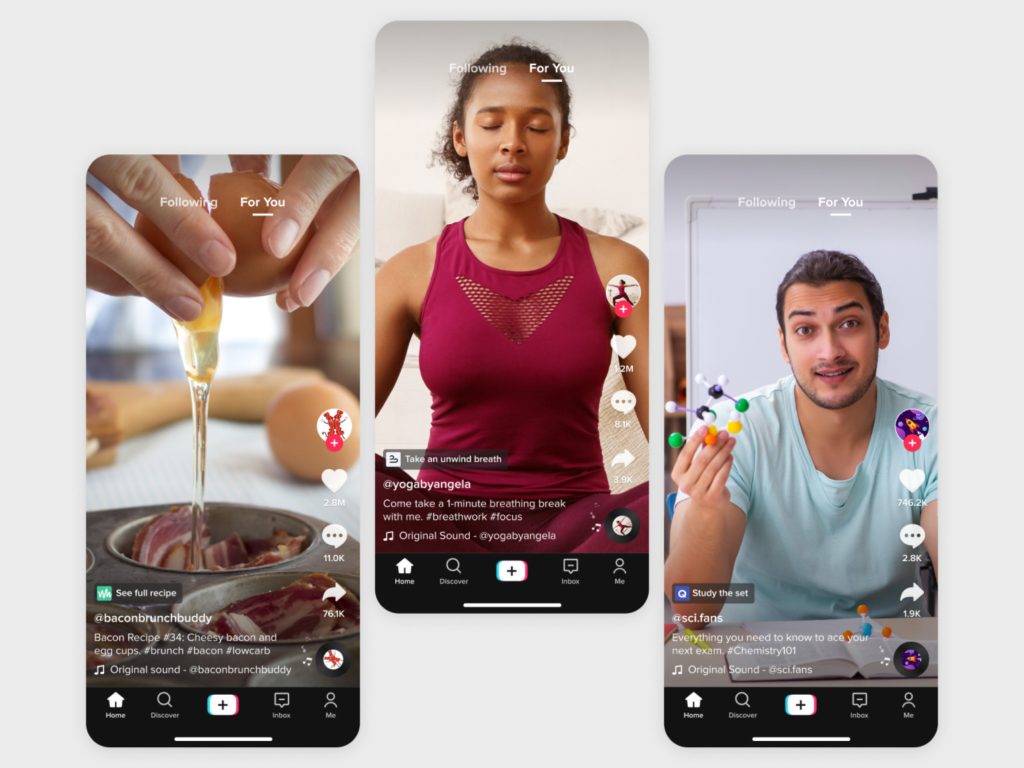
Three Content Categories Every Business Needs
Attention-grabbing content: Helps the brand reach people who are unfamiliar with the channel and often begins with a mistake, question, or relatable situation.
Trust-building content: Helps viewers assess the brand’s expertise, quality, and credibility through tutorials, demonstrations, processes, case studies, or customer feedback.
Conversion-focused content: Helps people who already have a need understand which solution to choose and where to take action, such as viewing a product, sending a message, or booking an appointment.
One format can support multiple objectives, but businesses should still define its primary role before writing the script and measuring performance.
1. Problem-Solving and Educational Content
This category is suitable for most businesses because it begins with customer needs rather than with the product.
Videos can focus on common mistakes, reasons customers have not achieved their desired results, misunderstood issues, or processes they need to follow.
Examples:
- Three mistakes that cause product videos to get many views but no orders.
- How to choose a phone case if you frequently drop your phone.
- A website checklist to complete before running ads.
- How to read the specifications of a technical product.
After presenting the problem, the brand should explain the cause and provide a specific solution instead of merely creating curiosity and then switching to an advertisement.
Each video should answer only one question. For complex topics, divide the content into a series. Instead of explaining the entire website optimization process in one video, create separate videos about loading speed, CTAs, mobile experience, and contact forms.
2. Comparison, Demonstration, and Before-and-After Content
Comparison content is effective when customers are considering multiple products, methods, or price points. Businesses can compare two product lines, two materials, standard and upgraded versions, or doing the work independently versus hiring a service provider.
A strong comparison video should include clear criteria, usage context, and a definite conclusion. A conclusion such as “choose A if you prioritize portability and choose B if you need greater durability” is more credible than claiming that the company’s product is always the best.
Demonstrations help customers see how a product performs in real-life conditions. Before-and-after content shows viewers the transformation instead of merely describing it.
Content can demonstrate installation methods, performance, the ability to handle particular situations, before-and-after results, or usage limitations. For example, a business could test the shock resistance of a phone case, evaluate an insulated bottle, or compare a website interface before and after redesigning it.
Once you have selected a format, the next step is to write a TikTok video script that connects the hook, visual evidence, and CTA.
The value lies not only in showing the result but also in explaining the original problem, the changes that were made, and why the new outcome is better. Demonstrations should also clearly explain the testing conditions to avoid creating unrealistic expectations.
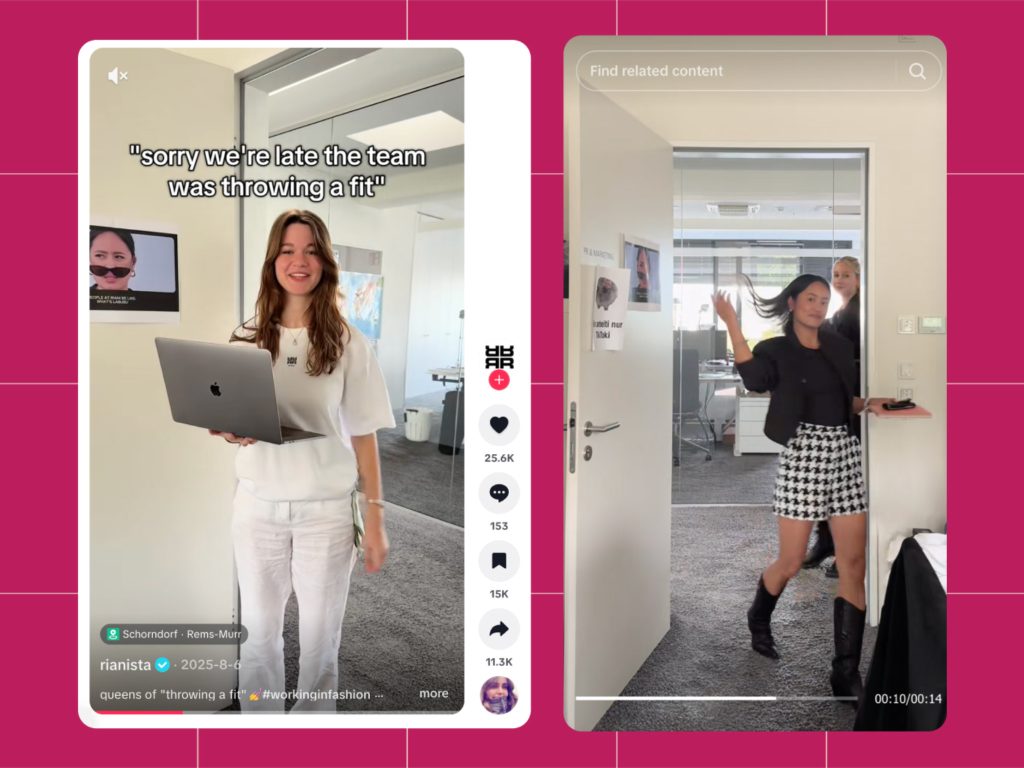
3. Behind-the-Scenes, Team, and Brand Story Content
Behind-the-scenes content makes a brand feel more approachable and transparent. Viewers do not only see the finished product; they also understand how the business operates.
Content may focus on production processes, quality inspections, packaging, or how the business handles a special request. Each video should answer one specific question, such as how a product is inspected before shipment or which criteria engineers use to select materials.
When introducing team members, do not merely state their names and job titles. Allow each person to demonstrate their expertise through a real situation.
Storytelling can begin with the reason a product was created, customer feedback that led the business to change, or a failure that resulted in an improvement. The structure should remain concise: context, problem, action, result, and lesson.
4. Case Studies, UGC, and Customer Feedback
Case studies are suitable for services, B2B businesses, agencies, software companies, and products with longer consideration cycles. A case study should explain the customer’s problem, how the cause was identified, which solution was implemented, and how the results were evaluated.
Do not simply say, “We helped the customer increase sales.” Provide enough context to make the result meaningful. If the data is confidential, the business can still share the process and lessons learned.
User-Generated Content is content created by customers or users, such as unboxing videos, product demonstrations, reviews, or feedback after a period of use.
UGC creates social proof because the message does not come only from the business. However, feedback with specific context is usually more persuasive than generic praise.
Example:
This stand allows me to record videos at my desk without needing another person to help.
is more valuable than:
This product is excellent. Everyone should buy it.
Businesses should obtain permission before reusing customer content and should not edit it in a way that changes its original meaning.
5. FAQ and Objection-Handling Content
Comments, messages, and questions received by the sales team are direct sources of content ideas from the market.
Businesses can create videos that answer questions such as:
- Is the product suitable for beginners?
- What does the service package include?
- Why is the price higher than that of standard alternatives?
- What are the return and warranty policies?
FAQ content addresses real customer needs, shows that the brand listens, and creates a long-term content library.
Objection handling should be transparent. Clearly explaining when a product is unsuitable can increase trust and reduce the number of customers who choose the wrong solution. Instead of avoiding questions about price, explain the construction, process, lifespan, or practical value that accounts for the cost difference.
6. Trend-Based, Humorous, and Situational Content
A trend may involve audio, editing styles, challenges, or memes. Businesses should participate only when the trend aligns with their customers, brand image, and commercial objectives.
Humorous content can explore the gap between expectations and reality, such as a customer wanting a logo that is both minimalist and contains every possible detail. Entertaining videos should still support the brand’s positioning. Attracting the wrong audience may generate views without producing customers.
7. Content Created with Creators and Experts
Creators, KOCs, or experts can help businesses reach new communities and present products from a more natural perspective.
Collaboration formats include reviews, tutorials, livestreams, TikTok Affiliate content, or granting permission to use creator videos in advertising.
Partners should not be selected solely based on follower counts. Their audience, content quality, product relevance, and ability to drive action are more important. Businesses should also agree on product information and video reuse rights in advance.
8. Situation-Based Sales Content
Sales videos should not begin with a list of features. Begin with the usage situation:
- Who is the product designed for?
- When should it be used?
- What problem does it solve?
- Are there any limitations that customers should know about?
Example:
This pad is suitable for machinery that operates continuously and produces moderate vibration.
Or:
This service package is designed for shops that already have visual assets but have not yet built a structured sales-content system.
The video can then present the features, evidence, and CTA. A needs-based approach allows customers to determine whether the solution is suitable for them instead of simply listening to an advertisement.
The CTA should direct viewers toward one action, such as viewing the product, sending a message, visiting the profile, or booking an appointment. Avoid asking viewers to complete too many actions in the same video.
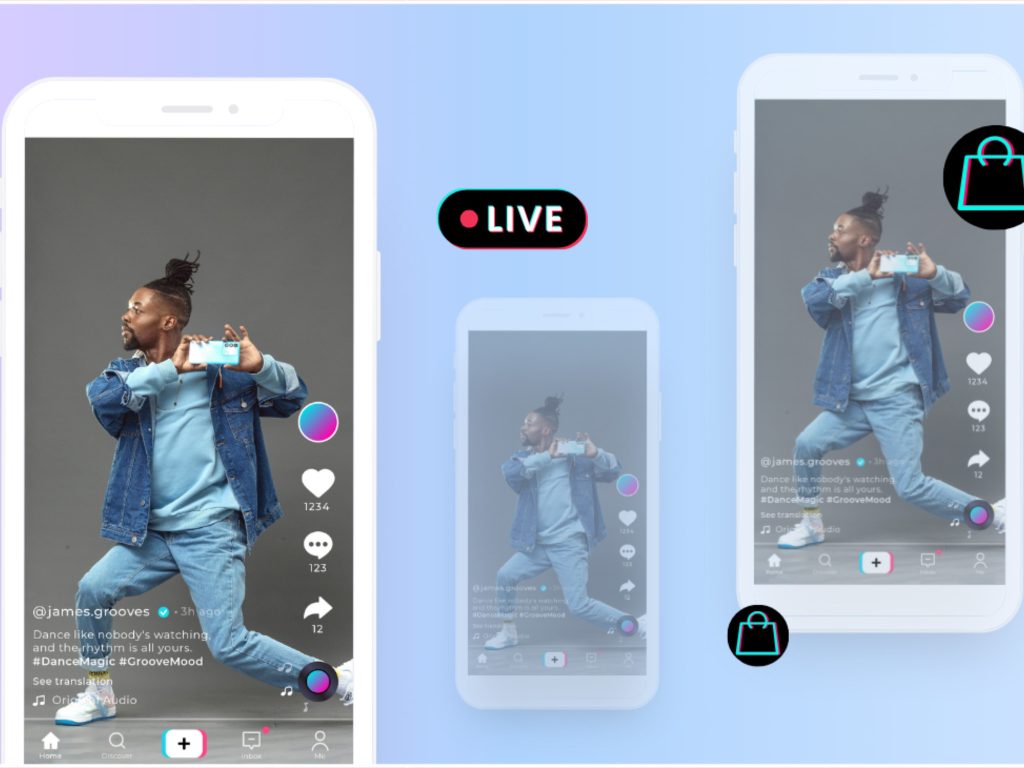
9. Livestreaming and Repurposing LIVE Content
Livestreaming is suitable for products or services that require demonstrations, consultations, comparisons between multiple options, question-and-answer sessions, or sales through TikTok Shop.
A LIVE session should have a defined topic, product order, demonstration script, frequently asked questions, and CTA. Afterward, the business can repurpose demonstrations, answers, or objection-handling segments into short videos.
How to Turn One Topic into Multiple Videos
Suppose a business sells ergonomic chairs and wants to develop content around back pain while working. The topic could be expanded into:
- Problem video: Three habits that cause back fatigue when sitting for long periods.
- Tutorial video: How to adjust the armrests and seat height.
- Comparison video: Standard chairs versus ergonomic chairs.
- Demonstration video: Testing the different adjustment settings.
- FAQ video: Can shorter users use this chair model?
- Sales video: A chair model suitable for people who sit for six to eight hours.
- Livestream: Advice on choosing a chair based on height and available space.
Developing content in clusters helps the brand maintain consistency without repeating the exact same message.
Choosing Content Types Based on Objectives
| Objective | Content types to prioritize |
| Attract new viewers | Problems, tips, comparisons, trends |
| Demonstrate expertise | Tutorials, case studies, expert content |
| Increase credibility | Demonstrations, behind-the-scenes content, UGC |
| Explain products | Comparisons, FAQs, objection handling |
| Drive conversions | Situation-based videos, LIVE, CTAs |
| Grow a community | Video replies to comments, storytelling |
There is no fixed content ratio that works for every channel. New channels usually need more attention-grabbing and trust-building content. Once customer demand becomes clearer, businesses can increase the proportion of product and conversion-focused content.
Optimizing Content for TikTok Search
Each video should focus on one specific question or problem. Topics can be researched through TikTok Search, Creator Search Insights, comments, messages, the sales team, and competitor content.
Search-focused videos should answer one specific query and be structured to optimize videos for TikTok Search.
During production, communicate the topic through spoken dialogue, on-screen text, captions, relevant hashtags, and content that genuinely addresses the search intent.
Avoid mechanically repeating keywords. Clarity, usefulness, and the ability to answer the question are more important than keyword density.
Measuring the Performance of Each Content Category
Not every video should be evaluated based on views.
| Content category | Metrics to monitor |
| Attention-grabbing content | Views, new viewers, watch time |
| Educational content | Saves, shares, watch time |
| Trust-building content | Profile views, followers, comments |
| Case studies | Saves, messages, consultation requests |
| UGC and reviews | Product clicks, purchase-related questions |
| FAQs | Search views, relevant comments |
| Sales content | CTR, additions to cart, orders |
| Livestreams | Viewers, watch time, conversions |
Performance should be analyzed by content category to determine which formats create awareness, build trust, or contribute to revenue.
Mistakes to Avoid
Common mistakes include:
- Creating only easily viral content that is unrelated to the product.
- Turning every video into an advertisement.
- Copying a competitor’s format exactly.
- Using trends in the wrong context.
- Investing in visuals while leaving the message unclear.
- Failing to include a CTA.
- Not developing successful topics into a series.
- Evaluating every video based only on views.
Effective TikTok content does not depend on a single format. Brands need to combine problem-solving content, tutorials, comparisons, demonstrations, behind-the-scenes content, case studies, UGC, FAQs, creators, livestreams, and situation-based sales videos.
Each piece of content must have a clear role in the customer journey. Attention-grabbing videos help new viewers discover the brand; educational content and supporting evidence build trust; product videos and CTAs help people with genuine needs take action. By developing a balanced content mix, monitoring the right metrics, and turning promising topics into series, TikTok can become a channel that increases awareness, builds trust, and generates customers sustainably.
Read next: Ready to turn product demonstrations, comparisons, and objection-handling videos into sales? Learn how to create TikTok Shop content that generates orders.